
How to Maintain Privacy During Rehab Treatment

Want to keep your rehab journey private? Here's how:
- Choose a facility with strong confidentiality measures. Look for options like private accommodations, encrypted records, and strict visitor policies.
- Understand your legal protections under HIPAA and 42 CFR Part 2, which safeguard your treatment records and prevent disclosure without consent.
- Opt for discreet admissions processes, such as using unmarked transportation or arranging bookings through intermediaries.
- Limit personal device use and avoid social media to reduce exposure risks.
- Use FMLA leave to protect your job while keeping your medical condition confidential.
- Consider out-of-town treatment to avoid familiar faces and maintain anonymity.
Confidentiality (HIPAA, Covered Entities, Therapeutic Privilege, & Expedited Partner Therapy)
sbb-itb-4b13a7c
Selecting a Rehab Facility with Strong Privacy Protections
When it comes to protecting your privacy, the first step is finding a treatment center that prioritizes confidentiality as much as it does clinical care. Not all facilities handle discretion the same way, and some even go the extra mile to ensure anonymity, especially for high-profile clients.
For instance, look at how the facility operates in real-life scenarios rather than just relying on what’s promised online. Take Paracelsus in Zurich, Switzerland, as an example. They offer a 1:1 care model where a single patient receives treatment in a private lakefront penthouse with an on-site therapist, minimizing interactions with other patients. Similarly, The Banyans in Brisbane, Australia, ensures anonymity by using personal names instead of the facility’s name on travel and booking arrangements and by transporting clients in unmarked vehicles. These examples highlight how some facilities integrate privacy into their daily operations, setting the stage for deeper discussions about their privacy protocols.
How to Research Confidentiality Practices
When speaking with the admissions team, ask direct and specific questions about their privacy measures. Find out how they handle sensitive aspects like mail, phone calls, and visitors. Ask if they provide discreet intake rooms or use first-name-only policies during group therapy sessions to protect anonymity.
Another key area to explore is their use of encrypted electronic health records (EHR). Confirm that these records are only accessible to authorized staff. You should also check if the facility complies with 42 CFR Part 2 regulations, which offer stricter protections than HIPAA for substance use disorder records. Under this regulation, the facility cannot confirm your status as a patient without your written consent. If you’re worried about insurance-related disclosures, ask about self-pay options to avoid generating an Explanation of Benefits (EOB) statement.
Check for Accreditation and Certifications
Accreditations and certifications can also signal a facility’s commitment to safeguarding your privacy. Look for certifications from organizations like CARF or The Joint Commission. These groups evaluate healthcare programs through onsite inspections, focusing on areas like consumer rights, safety, and data security. Together, they oversee more than 21,000 healthcare programs across the country.
Additionally, check the facility’s website for LegitScript certification. This certification ensures the facility has undergone background checks and adheres to written privacy policies. LegitScript monitors over 2.3 million websites to prevent deceptive practices in addiction treatment advertising. Lastly, ask if the facility employs a dedicated HIPAA Privacy Officer with credentials like Certified HIPAA Privacy Security Expert (CHPSE). This credential requires 25 hours of training and passing an 81-question exam, demonstrating expertise in privacy compliance.
Choosing a facility that prioritizes privacy is a critical step in balancing recovery with confidentiality. These measures provide a strong starting point for safeguarding your personal information while focusing on your treatment journey.
Understanding Legal Protections: HIPAA and 42 CFR Part 2

HIPAA vs 42 CFR Part 2: Privacy Protections Comparison
Two key federal laws safeguard your privacy during rehab: HIPAA (Health Insurance Portability and Accountability Act of 1996) and 42 CFR Part 2. HIPAA sets national standards to protect patient health information, covering details like demographics, health status, treatment locations, and payment methods. This law ensures that such information cannot be shared without your consent. On the other hand, 42 CFR Part 2 goes a step further, offering stricter privacy rules for substance use disorder treatment records. It even prevents facilities from confirming your treatment status unless you provide written consent. Together, these laws create a robust framework for privacy and impose severe penalties for violations.
While HIPAA allows information sharing for treatment, payment, and healthcare operations without additional consent, 42 CFR Part 2 requires written consent for these same routine disclosures. Another distinction? Under 42 CFR Part 2, your treatment records cannot be used in legal proceedings against you unless you provide consent or a court issues a specific order. HIPAA does not offer this level of protection. Starting February 16, 2026, all programs covered by Part 2 must comply with updated rules that align more closely with HIPAA, while still maintaining these stricter privacy measures.
Both laws also outline serious penalties for violations. Civil breaches can lead to fines ranging from $145 to $73,011 per incident, with yearly caps up to $2,190,294. Criminal violations carry even steeper consequences, including fines up to $50,000 and imprisonment. If the breach involves intent to sell information, the penalties rise to $250,000 and up to 10 years in prison.
These laws also grant you several rights. You can access your records, request corrections to incorrect information, obtain a record of disclosures, and file complaints if you suspect a violation. Under 42 CFR Part 2, you can revoke consent verbally or in writing. Be sure to review the facility’s Notice of Privacy Practices when you arrive to ensure compliance with both HIPAA and 42 CFR Part 2.
Securing Discreet Admissions and Private Accommodations
Choose Discreet Admission Processes
When it comes to protecting your privacy during the admissions process, careful planning is essential. A poorly managed process can inadvertently reveal your treatment plans. To avoid this, work closely with a single admissions coordinator who can streamline the process and minimize exposure. For high-profile individuals, many facilities allow admissions to be arranged through trusted intermediaries, such as legal counsel, family offices, physicians, or executive advisors, instead of direct communication.
For added privacy, secure transportation using unmarked vehicles and consider booking travel arrangements under your name. Paying out-of-pocket is another way to maintain discretion, as it avoids the creation of an Explanation of Benefits (EOB) that could accidentally be sent to your home or office, revealing your treatment plans.
"Discretion is fundamental to care... Every aspect of treatment - from first contact through aftercare - is designed to protect personal privacy, clinical confidentiality, and the dignity of those we serve." - Avalon Malibu
While getting admitted discreetly is critical, ensuring your accommodations maintain the same level of privacy is just as important.
Request Private or Exclusive Accommodations
Your treatment environment plays a key role in maintaining confidentiality. Opt for single-patient facilities if maximum privacy is your priority. For instance, Paracelsus in Zurich, Switzerland, offers a one-patient-at-a-time model. Patients stay in luxurious lakefront penthouse apartments and receive care from dedicated clinical teams.
"Confidentiality is Switzerland's second name. Some of our A-list celebrity patients will go to a local Starbucks, and while they're recognized, they're not in the news." - Jan Gerber, CEO, Paracelsus
If single-patient facilities aren't an option, consider limited-capacity centers. For example, Wish Recovery in California operates a luxury estate with a maximum of six clients at a time. Their "Professionals Program" is tailored for executives who need to maintain their careers discreetly while staying in private suites. Smaller facilities like this significantly reduce the chances of encountering peers or being recognized during treatment.
Luxury rehab centers often charge between $30,000 and $100,000 per month, reflecting the cost of private accommodations and low patient-to-staff ratios. When exploring options, inquire about private suites, villas, or penthouse apartments that may include additional rooms for on-site therapists or support staff. Also, ensure the facility is situated on a gated, secluded property rather than in a busy hospital or urban area. Finally, confirm they allow flexible technology policies, so you can securely manage professional communications while maintaining your privacy.
Personal Steps to Protect Your Privacy During Treatment
When undergoing treatment, safeguarding your privacy goes beyond choosing a facility with strong policies. It's equally important to take personal steps to protect your devices and manage your communications.
Protect Your Personal Devices
Many inpatient rehab centers restrict the use of personal cell phones, especially in the early stages of treatment. This policy helps maintain focus and ensures patient privacy. Personal devices, particularly those with cameras or recording features, can unintentionally expose sensitive information.
"Cameras, recording features, and messaging apps can unintentionally expose sensitive information about other patients or disrupt the sense of safety needed for open, honest therapy." - Clear Behavioral Health
If your facility allows personal devices, consider storing them with staff and using facility-provided phones for approved communication. This approach reduces exposure to digital triggers, such as social media or contacts tied to past substance use. To further protect your privacy, leave laptops and smartphones at home. Facilities typically ensure that electronic records are encrypted and only accessible to authorized personnel. By managing your devices responsibly, you can create a more secure environment for your recovery.
Limit Outside Communication
Securing your devices is just one part of the equation. Controlling your external communication is just as important. Before starting treatment, inform your family, friends, and colleagues that you will be unavailable for calls or social media updates. This proactive step minimizes questions and helps avoid accidental disclosures.
During your stay, avoid using social media entirely. Refrain from posting updates, photos, or location check-ins that could inadvertently reveal your treatment status. As Prevail Recovery Center recommends, "It's best to maintain radio silence on social media during this time". Additionally, educate your support system about the importance of confidentiality. Explain that sharing any information about your treatment could compromise both your recovery and your trust in them. Keep your communication circle small and trusted, and consider enforcing a blackout period for external contact. These measures are key to maintaining your privacy and focusing fully on your recovery journey.
Using FMLA and Out-of-Town Treatment for Added Privacy
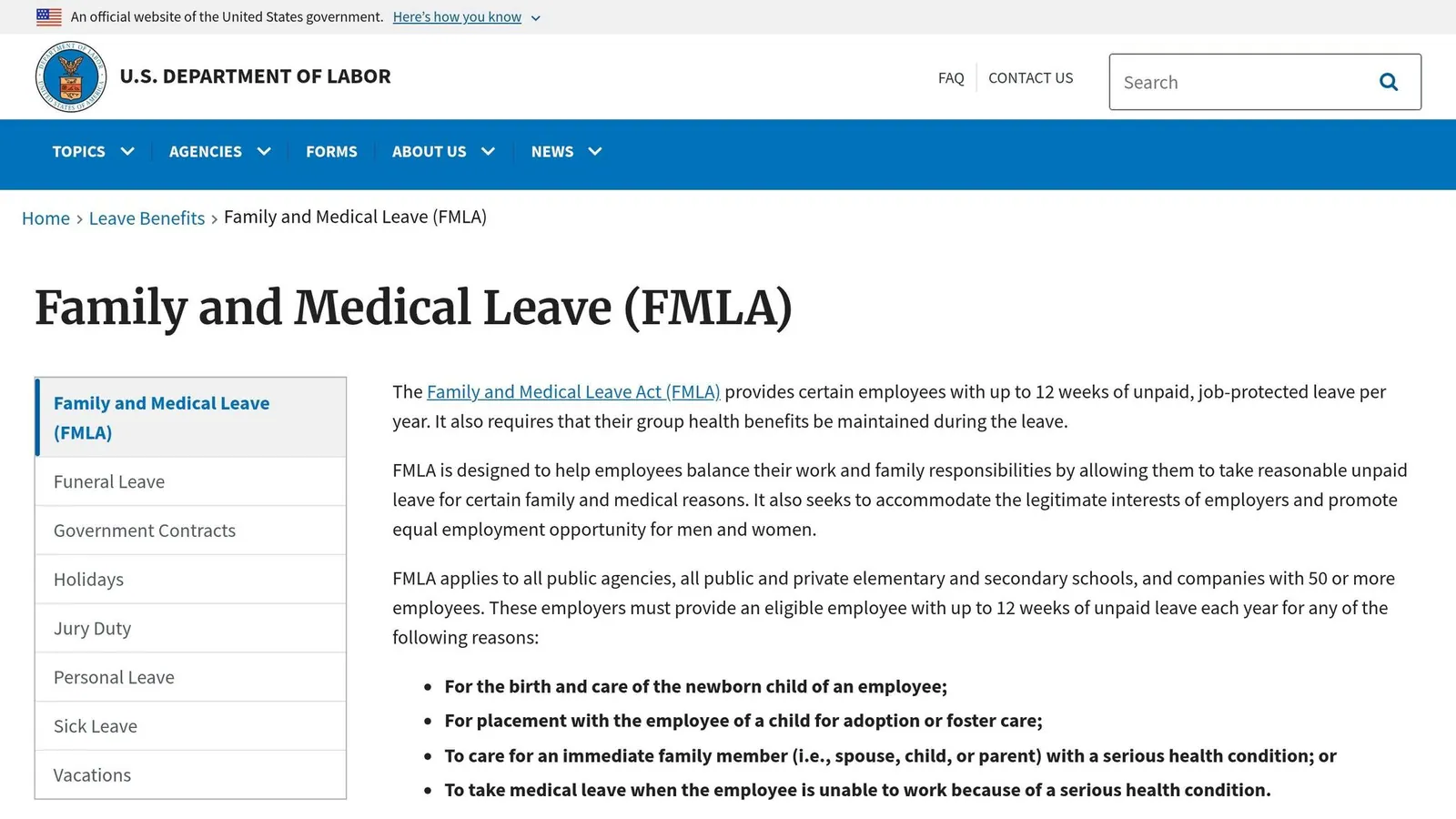
How FMLA Protects Privacy at Work
The Family and Medical Leave Act (FMLA) provides up to 12 weeks of unpaid, job-protected leave for serious health conditions. One of its key benefits is that it allows you to request medical leave without sharing specific details about your condition. When applying for FMLA leave, you only need to describe your absence as "medical leave for a serious health condition", avoiding the need to disclose sensitive information such as addiction or treatment specifics. Kristin Stevens, LCSW from Trust SoCal, highlights this safeguard:
"Your provider does not need to disclose the specific diagnosis, only that you have a qualifying serious health condition".
While on FMLA leave, your health insurance benefits remain intact under the same terms as if you were actively working. To qualify, you must work for an employer with at least 50 employees within a 75-mile radius and have logged at least 1,250 hours in the past 12 months. This makes it possible to prioritize your health without sacrificing your privacy at work.
For even greater confidentiality, consider seeking treatment outside your local area.
Consider Treatment Outside Your Local Area
Getting treatment in a different city or state significantly reduces the likelihood of running into people you know. For professionals and executives, this geographic separation provides an extra layer of privacy, keeping your recovery process away from familiar environments.
Many out-of-town facilities are located in secluded areas, designed to feel more like private retreats than medical centers. These facilities often take additional steps to ensure discretion, such as using unbranded transportation and arranging neutral travel options. Dr. Jasleen Chhatwal, Chief Medical Officer of Sierra Tucson, explains the benefit of this approach:
"There's less interference from the outside world, so people can focus inward and take care of themselves".
In Florida alone, there are 39 luxury treatment centers that prioritize privacy and confidentiality. When exploring out-of-town treatment options, ask the admissions team about their transportation methods, the facility's appearance, and how they manage mail and phone calls. These details can help ensure your recovery remains as private as possible.
Conclusion: Balancing Privacy and Recovery
Protecting your privacy during rehab doesn’t have to come at the cost of quality care. Instead, it’s about finding a treatment environment that values confidentiality and takes steps to safeguard your information. Facilities that follow strict privacy protocols, comply with HIPAA and 42 CFR Part 2, and offer private accommodations can help ensure your identity stays protected. Additionally, securing your personal devices and considering treatment outside your local area can reduce the chances of unwanted recognition.
Understanding your legal rights is a key part of this process. Knowing that your records remain confidential unless you provide explicit consent allows you to be open with your treatment team, sharing the details they need to support your recovery. Tools like FMLA can also help you maintain job security while keeping your personal information private.
For those navigating these decisions, Leading Rehabs offers a way to simplify the process. The platform provides detailed profiles of treatment centers that prioritize both clinical care and discretion. You can even filter for privacy-focused features to find a program that aligns with your needs.
Ultimately, privacy is a cornerstone of trust and healing. By choosing a facility that respects your confidentiality and taking steps to protect your information, you create the secure environment needed for a successful recovery journey.
FAQs
Will my employer find out I’m in rehab if I use FMLA?
Your decision to use FMLA doesn’t mean your employer will automatically know you’re in rehab. Federal laws, like HIPAA, and the strict confidentiality policies of rehab centers ensure your privacy is safeguarded. Employers are typically only informed about your need for medical leave - not the specifics of your treatment.
How can I prevent insurance paperwork from revealing my treatment?
To safeguard your privacy, it's important to know your rights under laws like HIPAA. For example, you can request written consent before your information is disclosed for specific purposes, such as payments to your insurer. Additionally, you can instruct healthcare facilities to share only the information that is legally necessary.
Make sure to clearly communicate your privacy preferences. This helps ensure that confidentiality policies are followed and prevents unnecessary details from being included in insurance paperwork.
What should I ask a rehab about HIPAA and 42 CFR Part 2?
Ask the rehab center about their approach to maintaining your privacy under HIPAA and 42 CFR Part 2. Specifically, find out what safeguards they have in place to prevent anyone from accessing or sharing your treatment details without permission. Knowing their privacy measures can give you peace of mind about the security of your personal information.