
How to Choose a Private Addiction Treatment Center

Choosing a private addiction treatment center can be overwhelming, but making an informed decision is key to recovery. Here’s a quick guide to simplify the process:
- Understand Your Needs: Assess your substance use history, mental health conditions, and required level of care (e.g., inpatient, outpatient).
- Check Credentials: Look for accredited facilities (e.g., CARF, The Joint Commission) and verify staff qualifications.
- Evaluate Treatment Options: Prioritize centers offering evidence-based therapies like CBT, DBT, and dual diagnosis care if needed.
- Consider Amenities: Decide if private rooms, fitness centers, or other features are important for your comfort.
- Review Outcomes and Aftercare: Ask about success rates, follow-up programs, and relapse prevention support.
The right center balances clinical quality with personal preferences, ensuring a safe, supportive recovery journey.
Choosing the Right Rehab Clinic: Why It Matters and What to Know | UKAT
sbb-itb-4b13a7c
Assess Your Treatment Needs and Recovery Goals
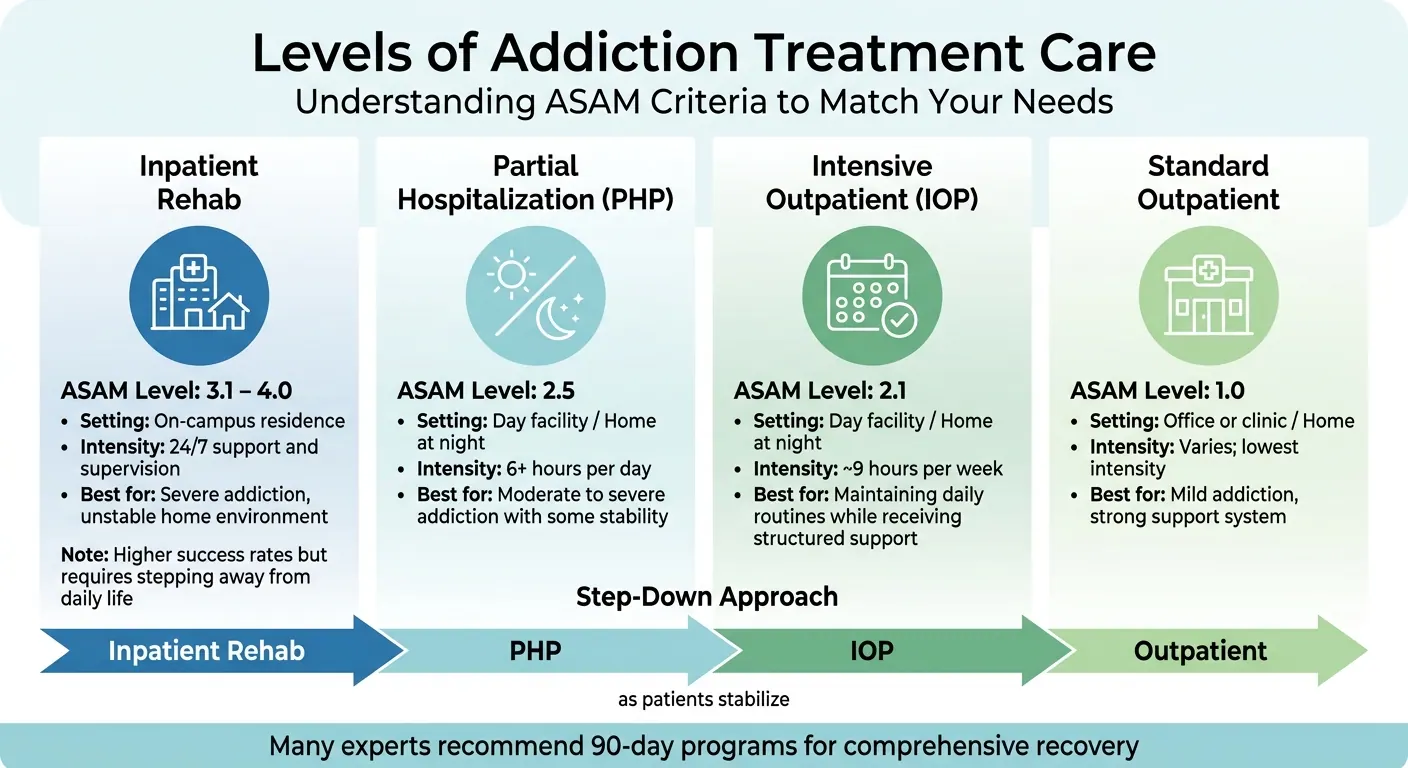
Levels of Addiction Treatment Care: ASAM Criteria Comparison Chart
Before selecting a treatment center, it’s crucial to evaluate your specific situation. This involves understanding your substance use history, any mental health conditions, the level of care you require, and the factors that will support your recovery.
Identify Your Substance Use History and Mental Health Conditions
Start by documenting the details of your substance use - what substances you’ve used, for how long, and whether you’ll need medically supervised detox. Substances like alcohol, opioids, and benzodiazepines often require professional detox to safely manage withdrawal symptoms. Long-term or heavy use may call for more intensive care, such as residential treatment.
It’s also important to note any mental health conditions you may have and how they’ve affected your life. Around half of those with substance use disorders also face mental health challenges, such as depression, anxiety, PTSD, or ADHD.
"For patients with a dual diagnosis, the most promising treatment approaches incorporate care for addiction and the co-occurring mental health disorder at the same time" – Hazelden Betty Ford
If you’ve received treatment before, include details about what worked and what didn’t. This information will help you determine the appropriate level of care. For co-occurring disorders, look for facilities that offer a multidisciplinary team with psychiatrists and psychologists, not just addiction counselors. If detox is needed, prioritize centers with on-site medical supervision to ensure safety during the 3–7 day withdrawal period.
Determine the Right Level of Care
The ASAM criteria (0.5–4.0) can help match your needs to the right treatment intensity.
| Level of Care | ASAM Level | Setting | Typical Intensity |
|---|---|---|---|
| Inpatient Rehab | 3.1 – 4.0 | On-campus residence | 24/7 support and supervision |
| Partial Hospitalization (PHP) | 2.5 | Day facility / Home at night | 6+ hours per day |
| Intensive Outpatient (IOP) | 2.1 | Day facility / Home at night | ~9 hours per week |
| Standard Outpatient | 1.0 | Office or clinic / Home | Varies; lowest intensity |
Inpatient rehab is ideal for severe addiction or if your home environment isn’t stable. It offers round-the-clock medical and emotional support but requires stepping away from work and family, making it more expensive. Outpatient programs like IOP or PHP provide flexibility, allowing you to maintain daily routines, though residential treatment often leads to higher success rates. Many experts suggest 90-day programs to address the complex challenges of substance use disorders.
Think about whether you can commit to intensive care or need a program that fits around your responsibilities. Many recovery plans use a step-down approach, starting with higher-intensity care like detox or inpatient treatment and transitioning to PHP or IOP as you stabilize. Admissions navigators at treatment centers can help match your needs to their services, whether that’s dual diagnosis treatment or medication-assisted therapy.
Define Your Personal Preferences and Priorities
Your personal preferences can play a big role in keeping you engaged during treatment. Consider whether you’d prefer a rural, secluded environment, an urban location for convenience, or even traveling to distance yourself from triggers and unhealthy relationships.
Treatment facilities vary widely in amenities. Some offer basic accommodations, while others provide private rooms, pools, fitness centers, and other upscale features. Costs can range from under $10,000 for budget-friendly residential programs to over $80,000 for luxury options. Outpatient programs are generally more affordable and may offer sliding fee scales based on income.
Decide whether you need detox, a shorter 30-day program, or a longer 90-day residential stay. Also, consider whether privacy and confidentiality are essential for you. Writing down these preferences can help you communicate effectively with intake specialists and find a facility that aligns with your recovery goals.
Verify Accreditation, Licensing, and Staff Credentials
Once you've identified your treatment needs, the next step is ensuring the facility you choose meets professional standards. This involves confirming the center's accreditation, state licensing, and the qualifications of its staff. These elements directly influence the quality and safety of care you'll receive.
Check Accreditation and Licensing Requirements
Licensing ensures that a facility meets state-mandated requirements like fire safety, liability insurance, and standardized intake procedures. About 70% of mental health facilities comply with their state's licensing standards. You can confirm a center's licensing status through your state's health department or by using the SAMHSA national directory at findtreatment.gov.
Accreditation, on the other hand, is a voluntary process that demonstrates a facility goes beyond basic requirements. Two of the most respected accrediting organizations are CARF (Commission on Accreditation of Rehabilitation Facilities) and The Joint Commission (formerly JCAHO). CARF is widely regarded as the "gold standard" for rehabilitation programs, utilizing a peer-reviewed process. The Joint Commission, which accredits over 21,000 healthcare programs nationwide, evaluates areas such as medication safety, patient rights, and evidence-based practices.
"Accreditation... takes those requirements even further. Accreditation is a voluntary external review process that enables healthcare organizations... to demonstrate their ability to not only meet state and federal licensure requirements but to exceed them." – Headlands ATS
Only 34.4% of facilities meet The Joint Commission’s standards, and just 24% are accredited by CARF. Facilities that achieve these accreditations often experience a 37% improvement in meeting quality standards after their first CARF review. If you're researching centers through online advertisements, check for LegitScript certification. This certification is required for advertising on platforms like Google, Bing, and Facebook and ensures the center has undergone criminal background checks and provided proof of insurance.
Review Staff Qualifications and Team Structure
The credentials and expertise of the treatment team are just as critical as the facility's accreditation. Reputable facilities employ a multidisciplinary team that includes medical doctors (MD/DO), psychiatric providers, registered nurses (RN), and licensed therapists (e.g., LCSW, LPC, or LADC).
You can verify staff credentials through state licensure boards, such as the California Board of Behavioral Sciences. Look for advanced certifications, such as Certified Addiction Specialist (CAS), which indicate specialized expertise. For detox services, ensure that withdrawal management is supervised by medical doctors (MDs) or advanced practice registered nurses (APRNs) for maximum safety.
In addition to verifying credentials, inquire about staff-to-patient ratios. Lower ratios often mean more individualized care and better safety protocols. It’s also worth asking about the facility's leadership team - top centers are frequently led by professionals with advanced degrees and hands-on experience in addiction treatment. While peer support staff (individuals in recovery themselves) can offer valuable encouragement, they should complement - not replace - licensed clinical professionals during therapy sessions.
Ensuring the facility is properly licensed, accredited, and staffed with qualified professionals is just as important as finding a program that aligns with your recovery goals.
Review Treatment Methods and Facility Features
Once you've confirmed a facility's credentials and the qualifications of its staff, the next step is to look closely at the therapies offered and the overall recovery environment. These factors are essential in ensuring the treatment aligns with your personal needs. Beyond the intensity of care and personalized treatment, assessing the specific therapies and available amenities can help you find a balance between effective recovery and a comfortable setting. This step bridges clinical quality with your lifestyle and comfort preferences.
Research Evidence-Based Therapies and Specialized Programs
The best private treatment centers focus on therapies grounded in clinical research. For example, Cognitive Behavioral Therapy (CBT) helps identify and reframe negative thought patterns while equipping you with strategies to prevent relapse. Similarly, Dialectical Behavior Therapy (DBT) emphasizes mindfulness, emotional regulation, and distress tolerance - skills that are particularly useful for managing cravings and emotional triggers.
Motivational Interviewing (MI) works by fostering internal motivation for change through a person-centered approach. Meanwhile, Contingency Management (CM) uses positive reinforcement to encourage abstinence and regular therapy participation. If you have co-occurring mental health challenges, it's important to choose a program offering integrated dual diagnosis treatment, addressing both addiction and mental health conditions simultaneously.
Some facilities also provide trauma-informed care, incorporating treatments like Eye Movement Desensitization and Reprocessing (EMDR). Backed by over 30 controlled studies, EMDR has proven effective for treating trauma-related issues. Additionally, many centers include complementary therapies such as equine therapy, art and music therapy, adventure-based activities, and mindfulness exercises to enhance the overall treatment experience.
After reviewing the clinical approaches, it's equally important to consider the facility’s amenities to ensure a comfortable and supportive environment.
Evaluate Luxury Amenities and Comfort Features
While evidence-based therapies are the cornerstone of effective treatment, the physical environment and amenities of a private facility can greatly influence your recovery journey. High-end amenities not only make the process more engaging but also create a calming atmosphere, especially in serene settings like beachside retreats or mountain resorts. These environments can ease the stress often associated with treatment.
Private accommodations offer added privacy and quiet spaces for reflection, which can enhance confidentiality and peace of mind. Many luxury centers also maintain low staff-to-patient ratios, allowing for highly personalized care and more frequent one-on-one therapy sessions. Features like yoga studios, spa treatments, fitness centers, swimming pools, and tennis courts promote physical well-being and provide healthy outlets for managing stress. Nutritious, gourmet meals further support your recovery by addressing dietary needs.
For professionals or high-profile individuals, executive programs offer tailored options, including access to business centers and communication tools, so you can manage essential work responsibilities while undergoing treatment. Discreet, secluded grounds help protect your privacy and professional reputation, enabling you to focus entirely on recovery. While these amenities enhance the treatment experience, they are intended to complement - not replace - the foundation of medical and behavioral therapies rooted in research.
Compare Outcomes and Aftercare Programs
When choosing a treatment center, it's not just about the amenities or methods; it's about how well they support long-term recovery. This means looking at both immediate outcomes and the ongoing care they offer after the program ends. By digging into outcome data and aftercare options, you can see if a facility is truly committed to helping patients maintain sobriety over time.
Review Success Rates and Outcome Data
Start by asking how the center defines and measures success. Do they track program completion rates, immediate sobriety, or conduct follow-up studies with former patients? It's worth noting that fewer than 43% of individuals entering treatment for substance use actually complete the program.
Relapse rates, which often range between 40% and 60%, are similar to those of other chronic conditions. As American Addiction Centers explains:
"Relapse is not an indicator of failed treatment. It means that the individual needs to contact their physician or other healthcare provider to resume treatment, modify modalities, or try a different rehab approach".
Recovery rates can also differ depending on the substance. A study involving 10,000 patients discharged between October 2021 and December 2023 found that individuals with alcohol use disorder had a one-year recovery rate of 41%. In contrast, those recovering from heroin or fentanyl addiction had lower rates, ranging from 29% to 31%. Joanna Conti, Founder of Vista Research Group, highlighted the importance of early intervention:
"The earlier you can get your loved one into treatment, the less likely they will have progressed to injecting their drug and the better their chance of recovery is".
It’s also a good idea to ask if the facility collaborates with independent research groups to track progress at intervals like six months or a year post-discharge. Accreditation by organizations such as The Joint Commission or CARF (Commission on Accreditation of Rehabilitation Facilities) is another marker of quality care. Be wary of facilities that promise "100% success" or claim to offer a "cure" - these are often signs of unethical marketing practices.
Once you’ve reviewed immediate treatment outcomes, shift your focus to the aftercare services that help sustain recovery.
Examine Continuing Care and Aftercare Services
A strong aftercare program can make all the difference in maintaining sobriety. The best programs treat initial treatment as a starting point, offering a range of post-treatment services and tools to support ongoing recovery. Look for options like:
- Phone-based coaching
- Recovery-focused mobile apps
- Continuing care groups
- 12-Step facilitation programs
Some facilities go further by providing monitoring services for a year or more after discharge. For example, Hazelden Betty Ford's "Connection" program and Caron's "My First Year of Recovery" include random urine drug tests and recovery coaching for at least 12 months. Caron also offers a digital platform called "Passport", which allows patients to track their progress, complete assignments, and stay in touch with counselors after treatment.
Family support is another crucial element. Programs that help loved ones rebuild trust, set boundaries, and offer constructive support can strengthen recovery efforts. Additionally, check if the facility has alumni networks, sober living referrals, and a formal plan to re-engage patients in case of relapse. Lastly, ensure their success rates are based on objective data, such as drug tests and professional evaluations, rather than self-reported outcomes.
Questions to Ask When Selecting a Private Treatment Center
Choosing a private treatment center is a big decision, and asking the right questions can make all the difference. It not only saves time but also ensures you avoid facilities that don't align with your needs. By focusing on key areas like credentials, treatment options, amenities, and privacy, you can quickly determine if a center meets your standards.
Questions About Credentials, Staff, and Treatment Options
Start by confirming the center's accreditation and licensing. Ask if they are accredited by organizations like The Joint Commission or CARF (Commission on Accreditation of Rehabilitation Facilities). Request the license numbers of the lead medical and clinical directors and verify them independently.
Next, dig into the qualifications of the staff. Are the medical and therapeutic staff properly credentialed? Look for certifications such as MD/DO, PhD/PsyD, LPC/LCSW, or CAS (Certified Addiction Specialist). If detox services are part of your plan, confirm that licensed medical professionals, like doctors and nurses, are on-site and equipped to handle clinical withdrawal management. Additionally, ask about the staff-to-client ratio - centers with lower ratios often provide more personalized care.
Make sure the facility offers evidence-based therapies like Cognitive Behavioral Therapy (CBT) and Dialectical Behavior Therapy (DBT). If you have co-occurring mental health conditions, ask if they provide integrated dual diagnosis care. For those who need it, inquire about Medication-Assisted Treatment (MAT) options. Finally, check if they offer specialized programs tailored to specific groups, such as gender-specific tracks or age-specific care for teens, young adults, or older adults.
Once you’ve reviewed the clinical qualifications and treatment options, it’s time to assess the center’s environment and approach to personalized care.
Questions About Amenities, Personalization, and Confidentiality
Amenities can vary widely between centers, so it’s worth exploring what’s included. Are private rooms, yoga, meditation, equestrian therapy, or art and music therapy part of the package, or do they come at an additional cost?
Ask how the center creates individualized treatment plans. Does a multidisciplinary team - comprising psychiatrists, psychologists, medical doctors, and nutritionists - work together to design your plan? Request examples of how they adapt their programming to address specific substance use histories and mental health needs.
Privacy is another critical factor. Confirm that the facility is HIPAA-compliant and ask about their policies on personal devices like cell phones and laptops, as these rules can help protect patient privacy. Additionally, inquire how confidentiality is maintained during family visits or group therapy sessions involving relatives. For post-treatment support, check if they use secure, web-based platforms and whether they are certified by LegitScript, which is necessary for advertising on platforms like Google, Bing, and Facebook.
Conclusion
Choosing the right private addiction treatment center is a pivotal step in your journey to recovery. This decision should balance clinical quality with your personal comfort. The best facility will match your substance use history, mental health needs, and individual preferences - not just appeal with flashy amenities or convenient locations. As Dr. David Miles, PharmD, aptly states:
"Good Information = Good Outcomes".
Taking the time to thoroughly research and ask targeted questions can make all the difference in finding a program that meets your specific needs.
Start by focusing on clinical essentials. Look for accreditation from respected organizations like The Joint Commission or CARF, confirm that the staff is properly licensed and certified, and ensure the center provides evidence-based treatments like CBT. For those with co-occurring mental health conditions, dual diagnosis capabilities are a must. Studies show that treatment lasting six months or longer leads to better recovery outcomes, so facilities offering strong aftercare programs and ongoing support should be a priority.
While luxury features such as private rooms, fitness centers, or equine therapy can enhance your experience, they should never take precedence over the quality of care. Costs should align with proven clinical results rather than being driven by premium amenities.
Take stock of your recovery goals and treatment history to find a plan that fits you. As American Addiction Centers emphasizes:
"The best care plan is the one that's a perfect fit for you, not the masses".
Matching the level of care to your specific needs is critical to achieving effective treatment. Avoid rushing this process; instead, invest the time to ask detailed questions, verify credentials, and trust your instincts.
As Hazelden Betty Ford wisely notes:
"The insights you gain and the changes you make during rehab will become the foundation for your recovery throughout the challenges life brings".
Your recovery journey begins with assessing your clinical needs, confirming the facility's credentials, evaluating treatment approaches, and ensuring robust aftercare support. By taking these steps, you’ll build a recovery plan tailored to your unique circumstances, laying the groundwork for lasting success.
FAQs
How do I know if I need inpatient rehab or outpatient care?
Choosing between inpatient rehab and outpatient care largely depends on how severe your addiction is and what your personal circumstances look like.
- Inpatient rehab provides round-the-clock supervision in a highly structured setting. This option works best for individuals dealing with severe addiction or those who also have mental health challenges requiring constant care.
- Outpatient care, on the other hand, is a better fit for milder addictions. It’s ideal if you have a supportive home environment and can manage treatment alongside your everyday responsibilities.
To make the right choice, it’s essential to consult a healthcare professional who can assess your specific needs and guide you toward the most suitable option.
What accreditation and licenses should a private rehab have?
A private rehab center should have accreditation from well-regarded organizations such as CARF or The Joint Commission. Additionally, it needs state licensing or certification that aligns with both federal and state regulations for addiction treatment facilities. These credentials are crucial because they confirm the center adheres to the necessary quality and safety standards required for effective care.
What aftercare services matter most after rehab?
Aftercare services play a key role in helping individuals maintain their sobriety after rehab. Some of the most impactful forms of support include ongoing assistance, access to support groups, and mental health resources. Programs that focus on relapse prevention, counseling, and alumni networks are especially helpful for long-term recovery.
Additionally, making sure individuals have access to community resources and regular follow-up care can make a big difference. These services provide the tools and guidance needed to handle post-rehab challenges and continue building a healthier, substance-free life.