
Autonomy Struggles: Losing Control Despite Having Everything

Feeling out of control despite success? Many high achievers, despite wealth and accomplishments, face hidden struggles with autonomy. They often battle chronic stress, burnout, and isolation, leading to mental health challenges and unhealthy coping mechanisms like substance use. Here’s why this happens and what can help:
- Stress rewires the brain: Chronic pressure impacts decision-making and emotional regulation, creating cycles of exhaustion and detachment.
- Substance use as a crutch: Wealth allows problems to remain hidden longer, delaying help.
- Isolation worsens struggles: A need for control often leads to emotional disconnection and transactional relationships.
Solutions include mindfulness, therapy tailored to individual needs, and building emotional resilience. For those in high-pressure roles, luxury rehabilitation programs provide privacy and personalized care to regain control and balance.
High Achiever Burnout: Stop Controlling Everything | Jeannette Meier
sbb-itb-4b13a7c
What Causes Autonomy Struggles in High Achievers
The journey to losing personal control isn’t something that happens overnight. Instead, it’s a slow, creeping process often fueled by unrelenting stress, unhealthy coping mechanisms, and a growing sense of isolation. To truly understand how outward success can coexist with inner struggles, it’s essential to look at the root causes.
Chronic Stress and Burnout
Constant pressure doesn’t just take a toll emotionally - it physically changes the brain. Chronic stress disrupts the hypothalamic-pituitary-adrenal (HPA) axis, leading to erratic cortisol levels that interfere with thinking and emotional balance. Over time, the prefrontal cortex - the part of the brain responsible for decision-making and impulse control - suffers structural changes, like reduced dendritic branching.
This creates a harmful cycle. Brittany Carswell, Ph.D., a psychologist at Wellness Psychological Services, explains it well:
Burnout is not about the size of the challenge. It is about the duration of activation without restoration.
As burnout takes hold, decision-making becomes harder, and high achievers may lean on productivity as a way to get short-term dopamine boosts. However, as brain fog and decision fatigue set in, even the illusion of success can delay recognizing the need for help.
This relentless stress often leads to unhealthy coping strategies, including substance use.
Using Substances to Cope
The constant state of hyperactivation can push individuals toward self-medicating with substances. High achievers might turn to sedatives like alcohol or benzodiazepines to calm their overactive minds, or stimulants like Adderall or cocaine to fight off exhaustion and maintain focus. While these habits may feel manageable at first, they can quickly lead to dependence, worsening the underlying stress.
Wealth can also complicate this issue. As The Private Client explains:
Wealth provides the means to sustain a substance use disorder longer and with fewer visible consequences than would be possible for an individual of lesser means.
Without the typical warning signs - like financial trouble or job loss - that signal a problem, high-net-worth individuals often delay seeking help until their condition becomes severe.
But substance use is only part of the story. The stress and pressure high achievers face often lead to isolation, which amplifies their struggles even further.
Isolation and Its Impact
Isolation makes these challenges even harder to overcome. Many high achievers develop a need for hyper-control, often as a response to early-life instability or chaos. While this drive can fuel professional accomplishments, it can also make vulnerability feel risky, pushing them to isolate themselves. As Paracelsus Recovery notes:
Authentic human connection requires vulnerability, and vulnerability requires the willingness to not know, to not control, to not have the answer.
To maintain a polished, controlled image, some high achievers may find their personal relationships becoming more transactional. Clinical psychotherapist Paul Hokemeyer explains:
Their relationships become defined for what they can provide to others rather than for who they are of themselves.
This cycle of isolation can lead to feelings of paranoia and distrust, leaving individuals emotionally disconnected - even when surrounded by people. Over time, this emotional distance only deepens their struggles with autonomy and mental well-being.
How to Regain Control: Practical Approaches
When autonomy feels out of reach, targeted therapies can provide a way forward. Addressing issues like chronic stress, substance reliance, and isolation requires a mix of strategies that focus on both mental clarity and emotional well-being.
Mindfulness and Cognitive-Behavioral Therapy
Cognitive Behavioral Therapy (CBT) helps break negative patterns by addressing the connection between thoughts, feelings, and behaviors. Techniques such as reframing negative thoughts and setting aside specific times to worry can help manage stress effectively. Mindfulness works hand-in-hand with CBT by improving executive control, which helps curb impulses and keeps emotions from spiraling. Rimma Teper, a researcher from the University of Toronto, highlights mindfulness's impact:
Mindfulness leads to improvements in emotion regulation not by eliminating or reducing emotional experience, but rather through a present-moment awareness and acceptance of emotional experience.
By staying present, mindfulness acts as an early warning system, allowing you to tackle stress before it gets out of hand.
Developing Emotional Intelligence and Resilience
Emotional intelligence acts as an internal compass, helping you identify triggers and respond thoughtfully. Building resilience - through activities like journaling, setting boundaries, and engaging in experiential therapies - equips you to handle pressure with greater autonomy. For those in high-stress environments, these skills transform challenges into opportunities for growth.
Practical steps include:
- Reflective journaling: Identify emotional triggers and patterns.
- Boundary-setting: Create healthier dynamics in both personal and professional spaces.
- Experiential therapies: Explore emotions through non-verbal approaches like art or equine therapy.
Additionally, developing empathy and social skills can strengthen relationships, creating a support system that helps buffer against stress. These practices, combined with tailored therapy, pave the way for lasting recovery.
Customized Therapy for Individual Needs
Standardized treatment programs often miss the unique pressures tied to professional success. Individualized therapy, on the other hand, addresses specific challenges like constant travel, high visibility, and work-related stress. In luxury treatment settings, 85.4% of clients opt for individual therapy over group (14.2%) or online (0.4%) options, emphasizing the preference for privacy and personalized care.
These programs often use a concierge-style approach, offering low client-to-staff ratios and expert therapists who adapt evidence-based methods - like CBT or Dialectical Behavioral Therapy (DBT) - to fit your cognitive style. For instance:
- Analytical individuals may benefit from structured data and clear frameworks.
- Experiential learners might respond better to holistic practices like yoga or acupuncture.
This tailored approach ensures therapy tackles not just the symptoms but the deeper causes of autonomy struggles, offering a sustainable path to regaining control.
Luxury Rehabilitation Programs for Recovery
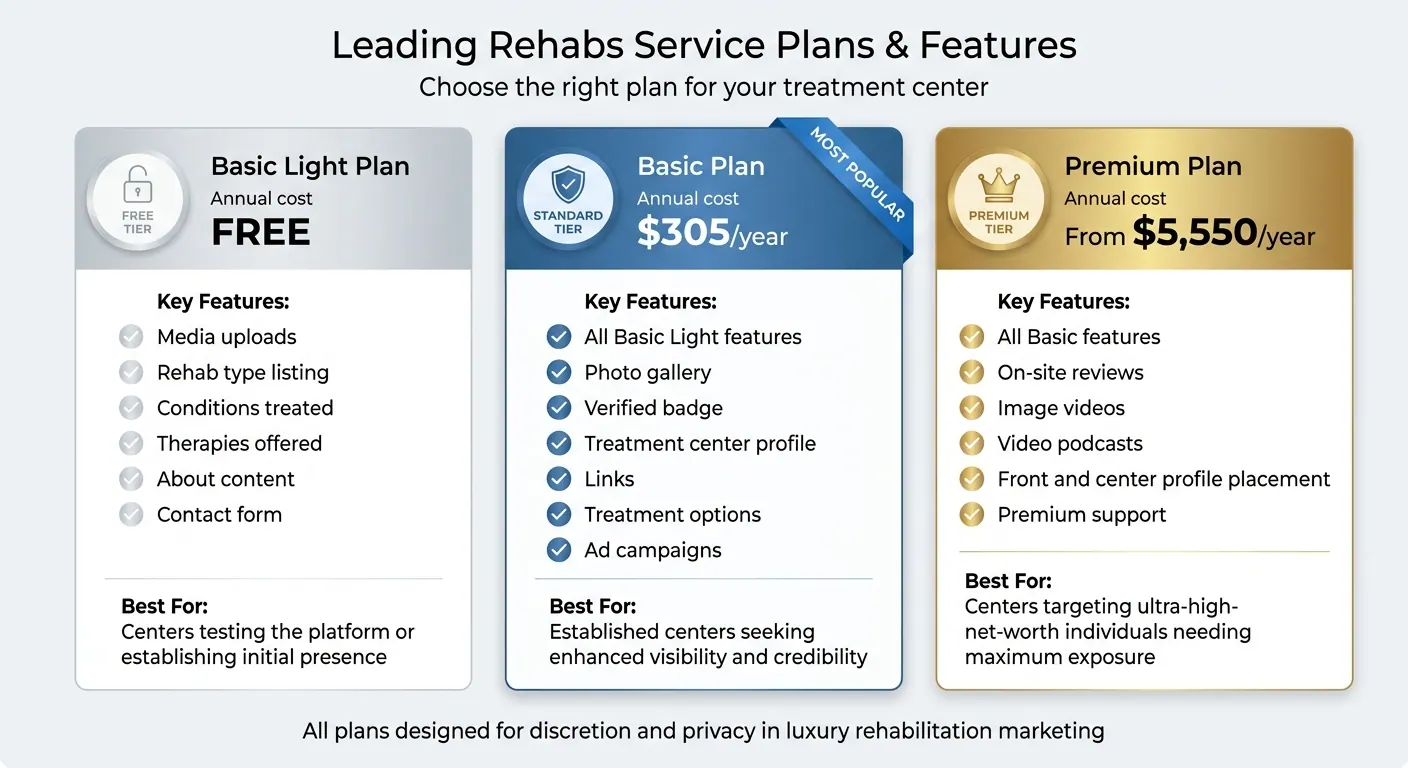
Leading Rehabs Service Plans Comparison for Luxury Treatment Centers
Privacy and Personalized Care
For individuals whose reputations play a critical role in their professional lives, maintaining discretion during recovery is non-negotiable. Traditional rehab facilities often fall short in safeguarding privacy, which can lead to unacceptable risks for high-profile clients. Luxury rehabilitation programs solve this issue with measures like unmarked vehicles, private entrances, and limited occupancy - typically accommodating just 6 to 12 clients at a time. These steps ensure your stay remains confidential [11, 14].
In addition to prioritizing privacy, these programs emphasize personalized care. A significant 85.4% of clients in luxury facilities prefer individual therapy sessions over group settings. This approach allows therapists to gain deeper insights into a client’s behavior and challenges, rather than relying solely on self-reported information. With low client-to-therapist ratios, doctorate-level clinicians can craft treatment plans tailored to address the unique stressors faced by high-functioning professionals - whether it’s industry-related pressure, frequent travel, or wealth management stress [11, 14].
This combination of confidentiality and customized care forms the foundation of the nation’s most sought-after rehabilitation centers.
Leading Rehabs: Access to Top Treatment Centers
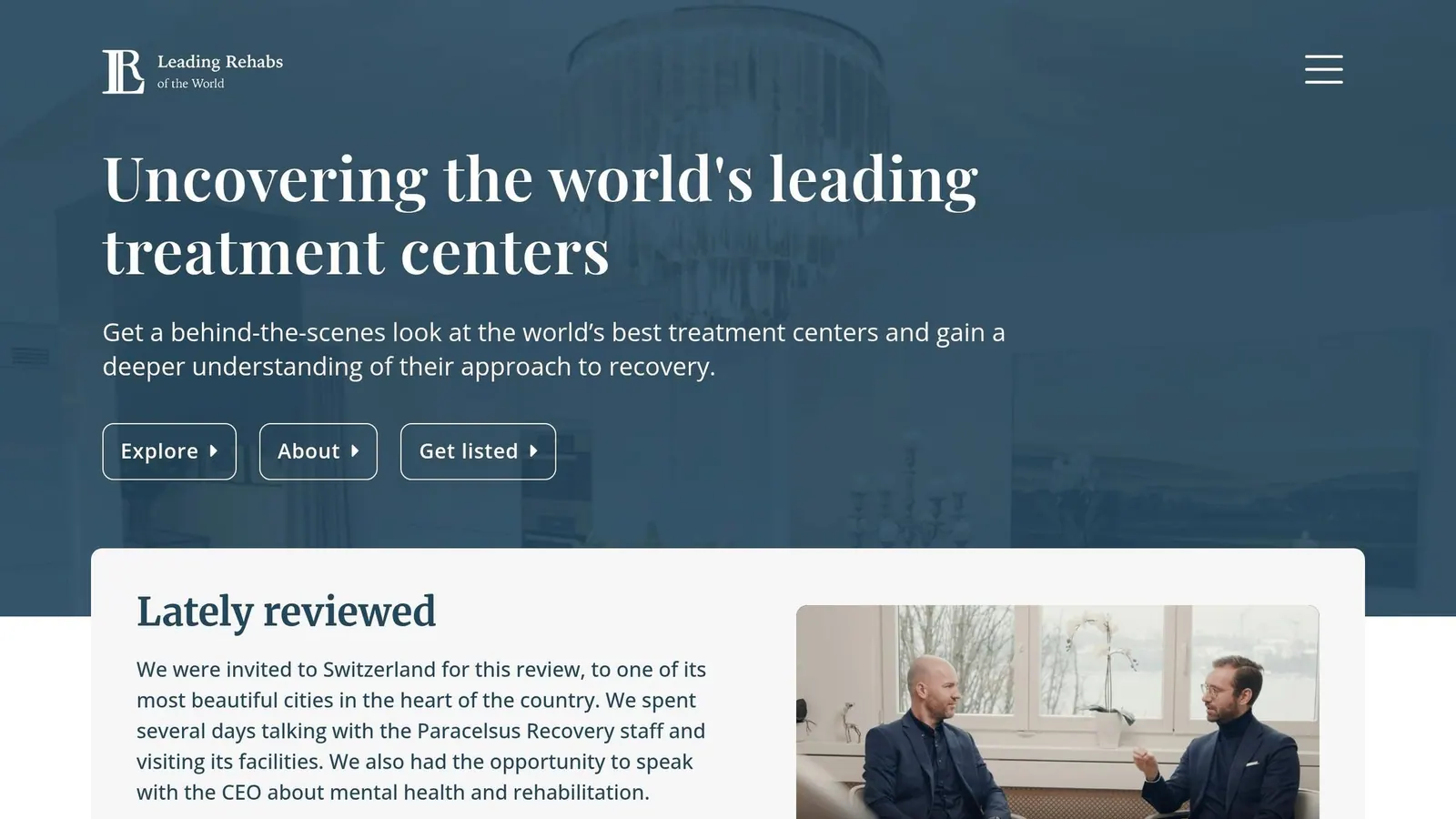
Taking this personalized approach further, Leading Rehabs connects ultra-high-net-worth individuals to some of the world’s most exclusive rehabilitation centers. Through a carefully curated platform, clients can make informed decisions about their recovery. Each facility profile provides detailed insights into therapeutic methods, staff credentials, and available amenities. These listings also highlight the specific conditions treated and the therapies offered, ensuring the centers are equipped to handle the demands of high-achievement lifestyles.
What sets Leading Rehabs apart is its commitment to transparency. The platform features exclusive content like on-site reviews, video podcasts, and behind-the-scenes media, giving clients a closer look at each facility before making a choice. This level of detail ensures that clients are selecting legitimate dual-diagnosis centers with integrated psychiatric care, rather than facilities that simply offer a luxurious retreat. Additionally, Leading Rehabs provides global exposure for treatment centers, connecting them with clients seeking specialized, executive-level care.
Service Plans and Features Comparison
To simplify access for both clients and treatment centers, Leading Rehabs offers tiered service plans tailored to highlight each center’s unique offerings. These plans cater to a range of needs, from initial visibility to maximum exposure for high-end facilities.
| Plan | Annual Cost | Key Features | Best For |
|---|---|---|---|
| Basic Light | Free | Media uploads, rehab type, conditions treated, therapies offered, about content, and a contact form | Centers testing the platform or establishing an initial presence |
| Basic | $305/year | Includes Basic Light features plus a photo gallery, verified badge, treatment center profile, links, treatment options, and ad campaigns | Established centers seeking enhanced visibility and credibility |
| Premium | From $5,550/year | Includes all Basic features plus on-site reviews, image videos, video podcasts, front and center profile placement, and premium support | Centers targeting ultra-high-net-worth individuals needing maximum exposure |
The Premium plan’s added features, such as video content and on-site reviews, are especially valuable for evaluating facilities with monthly costs that can run into the tens of thousands.
Conclusion: Taking Back Control for a Balanced Life
Struggles with autonomy aren’t resolved through sheer willpower or personal achievements. In fact, for many high achievers, the tendency to over-control stems from a deeper trauma that requires healing at its core. As Paracelsus Recovery puts it:
The most meaningful form of control is not dominion over your environment, but sovereignty over your own inner world.
Finding balance involves more than just stepping back - it’s about shifting from a constant state of "fight-or-flight" to a calmer, more regulated mindset. This process includes embracing uncertainty, delegating tasks, and extending compassion to yourself. For those with significant wealth and public visibility, seeking support from professionals who understand the unique pressures tied to their circumstances can be crucial for rebuilding trust and fostering healing.
Luxury rehabilitation programs offer the privacy and focused care necessary for meaningful change. These programs often emphasize individual therapy tailored to the demands of high-pressure lifestyles, all while allowing clients to maintain their professional responsibilities. Such specialized care is available through platforms designed specifically for high achievers.
Leading Rehabs connects individuals to discreet, top-tier facilities. With detailed profiles, on-site reviews, and curated video content, the platform ensures access to centers that provide dual-diagnosis care and executive-level treatment. Options range from the free Basic Light plan to the Premium tier, which starts at approximately $5,550 annually, catering to those who value both clinical quality and absolute discretion.
As Paracelsus Recovery wisely notes:
True liberation often begins with the courage to loosen your grip and discover that... the world does not collapse when we allow ourselves to simply breathe.
Reclaiming control is about rediscovering the parts of yourself that may have been overshadowed by success. It’s about finding freedom - not in controlling the external world, but in achieving emotional sovereignty.
FAQs
How do I know if I’m burnt out or losing autonomy?
Burnout can manifest as persistent exhaustion, a noticeable drop in motivation, and a sense of detachment from work or everyday activities. It often comes with physical signs like overwhelming fatigue or trouble sleeping. On the other hand, losing autonomy feels like you're no longer in control of your own decisions. This can leave you feeling helpless or overly reliant on others. If you find yourself feeling stuck despite achievements or unable to make independent choices, it might be a sign of diminished autonomy. These two experiences often intersect, especially in demanding, high-pressure environments.
Why can success and wealth make substance use harder to spot?
High levels of success and wealth can sometimes make substance use less noticeable. High achievers often hide their stress and substance use behind their accomplishments, using their resources and lifestyle to mask any signs. This concealment can allow dependency to develop without raising obvious red flags.
What should I look for in a private luxury rehab program?
When selecting a private luxury rehab program, it's crucial to prioritize personalized therapy that aligns with your specific needs, lifestyle, and mental health concerns. Opt for programs that provide one-on-one sessions with skilled clinicians who can offer tailored support.
Equally important is ensuring the program emphasizes privacy, comfort, and discretion within a high-end, retreat-like environment. A well-rounded recovery experience should include comprehensive services that address addiction, mental health, and physical well-being.